
Tiny 4.2 million-year-old monkey discovery casts new light on evolution
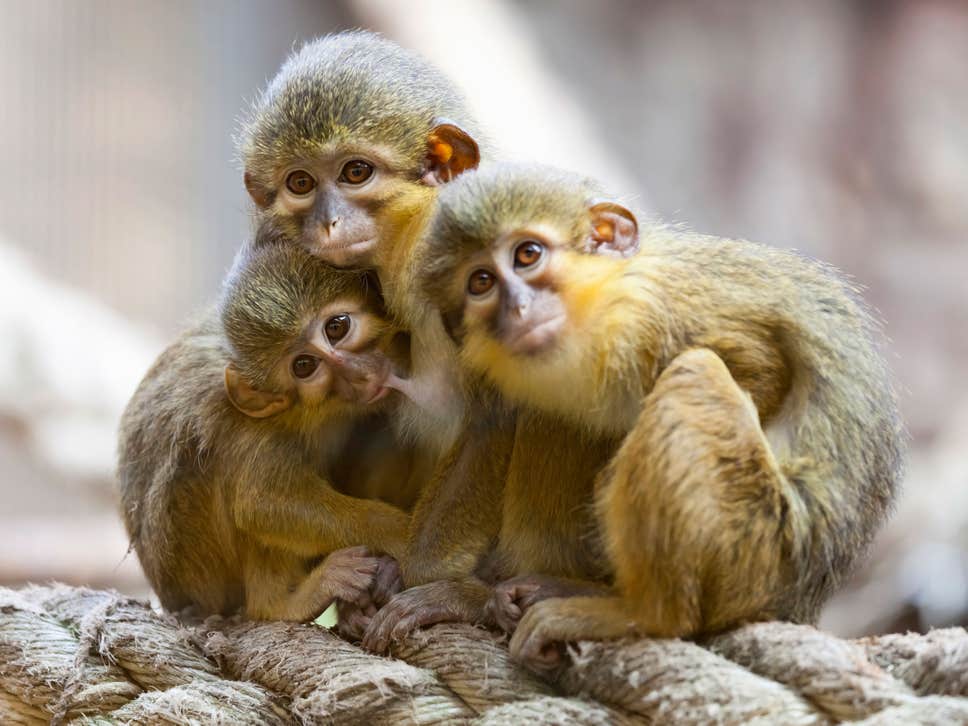
<p>Nanopithecus browni weighed just one kilogram and was the size of a pineapple.</p>
<p>The discovery of a tiny <a data-vars-event-id="c6" data-vars-item-name="BL-9005456-/topic/Monkeys" href="https://www.independent.co.uk/topic/Monkeys" rel="nofollow" target="_blank">monkey</a> which weighed no more than a pineapple may change scientists’ understanding of how primates evolved. Researchers working in <a data-vars-event-id="c6" data-vars-item-name="BL-9005456-/topic/Kenya" href="https://www.independent.co.uk/topic/Kenya" target="_blank">Kenya</a> have found a 4.2 million-year-old fossil of a miniature monkey which only weighed one kilogram. The newly discovered species, <em>Nanopithecus browni</em>, is the same size as the world’s smallest Old World monkey, the talapoin.</p>
Ring-tailed lemurs face extinction amid sapphire-mining rush in Madagascar
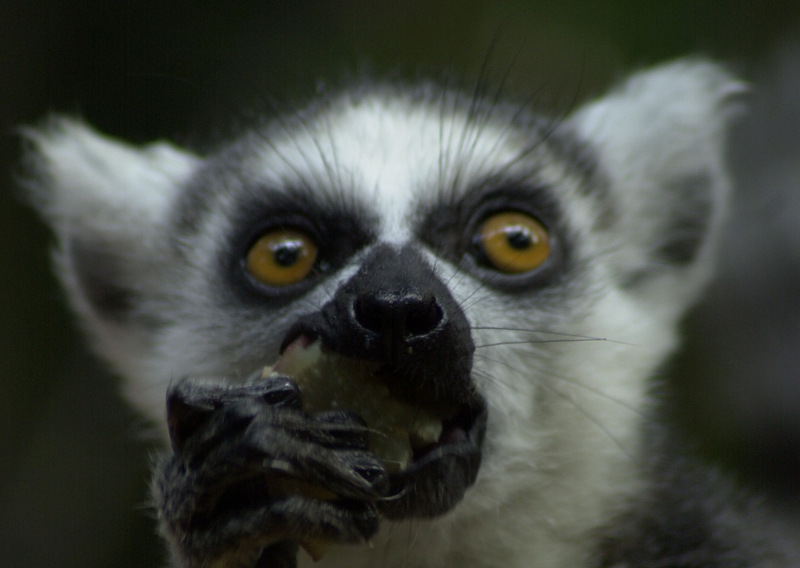
They are disappearing right under our noses. It's likely that the ring-tailed lemur population will eventually collapse.
Gorillas, monkeys and other primates must be saved from impending extinction, urge 31 scientists

We have one last opportunity to greatly reduce or even eliminate the human threats to primates ... they are our closest living biological relatives.